
Virtual number
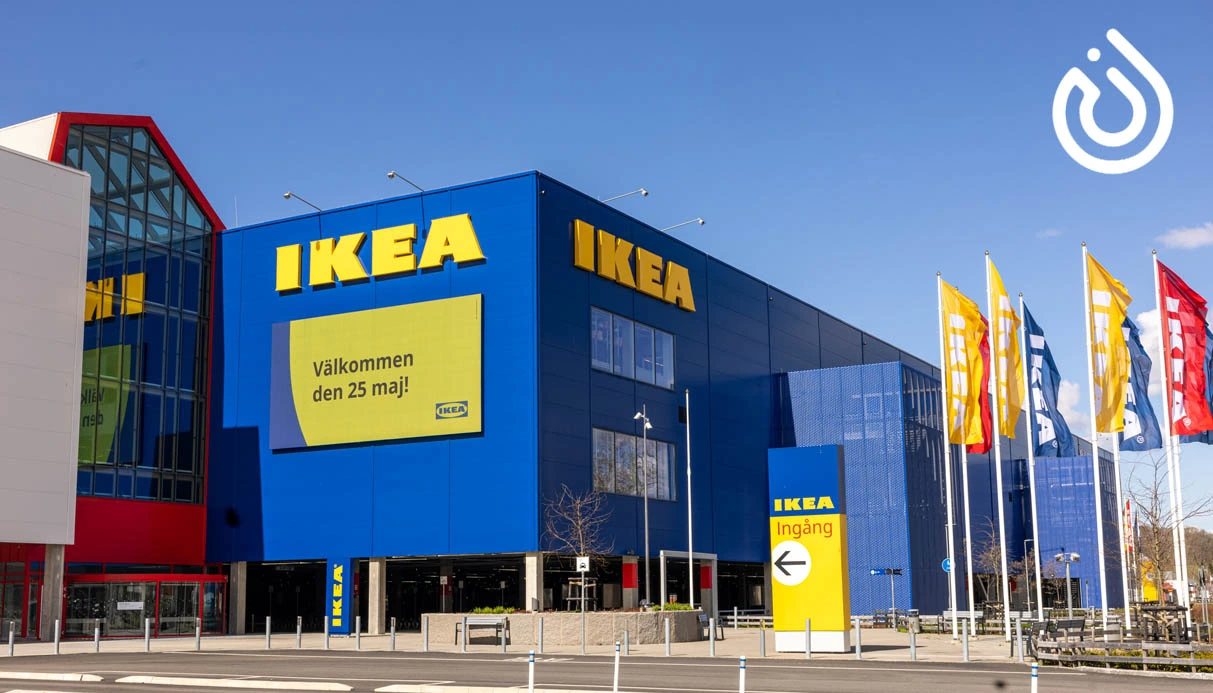

When people hear the name IKEA, many immediately think of simple furniture, practical home products, affordable prices, huge stores, long walking paths, flat-pack boxes, and even the famous Swedish meatballs. But IKEA is much more than a furniture store. It has become one of the most influential brands in the world of home furnishing, interior design, and modern lifestyle.
IKEA has changed the way millions of people buy furniture and decorate their homes. In an IKEA store, customers do not simply buy a sofa, table, or bookshelf. They enter a complete shopping experience that starts with room displays and home design ideas, continues with choosing products and carrying flat-pack boxes, and ends with assembling the furniture at home.
This unique combination of design, affordability, customer participation, and enjoyable shopping experience has helped IKEA become a global brand. Millions of people around the world are willing to spend hours walking through IKEA stores, exploring sample rooms, getting inspiration, eating at the restaurant, and finally taking home products they will assemble themselves.
In this article, we will explain what IKEA is, where the name IKEA comes from, how the brand started, what products it sells, why it has become so successful, and what the future may look like for this popular global company.
IKEA is a Swedish global brand that designs and sells furniture, home accessories, kitchen equipment, decorative items, storage solutions, lighting, textiles, and lifestyle products. It is one of the most famous home furnishing brands in the world.
IKEA is best known for its simple designs, practical products, affordable prices, and ready-to-assemble furniture. Many IKEA products are sold as separate parts inside flat packages. After purchasing the product, customers take it home and assemble it by following the instruction manual.
At first, this idea may seem very simple, but it is one of the main reasons behind IKEA’s global success. Flat packaging reduces transportation costs, storage space, packaging volume, and final product prices. As a result, customers can buy stylish and functional furniture at more affordable prices.
IKEA’s famous vision is to “create a better everyday life for the many people.” This statement clearly shows that IKEA does not want to sell expensive luxury furniture only to a small group of customers. Instead, the brand aims to make good design accessible to as many people as possible.
The name IKEA is not a random word. It is made from the initials of several meaningful names connected to the founder of the company.
The letters I and K come from the name of IKEA’s founder, Ingvar Kamprad. The letter E comes from Elmtaryd, the farm where he grew up. The letter A comes from Agunnaryd, the village near that farm in Sweden.
So, IKEA is actually a combination of the founder’s name and the places connected to his childhood and roots. This gives the brand a strong personal and Swedish identity. It also reflects values such as simplicity, practicality, entrepreneurship, and modest living.
The story of IKEA began in 1943, when Ingvar Kamprad was only 17 years old. From a young age, Kamprad had an entrepreneurial mindset. Before starting IKEA, he sold small items such as matches, pens, greeting cards, wallets, and picture frames to people around him.
His first business capital came from money his father gave him as a reward for doing well at school. With that small amount of money, Kamprad started a business that would later become one of the most recognizable brands in the world.
In the beginning, IKEA was not a furniture company. It mainly sold small products that could be delivered by mail. However, in 1948, Kamprad decided to enter the furniture business. This decision changed the future of both his company and the furniture industry.
At that time, many people wanted affordable and practical furniture. Kamprad realized there was a strong market for simple, well-designed furniture at lower prices. However, some customers were unsure whether low-priced furniture could also have acceptable quality.
To build trust, IKEA opened its first furniture showroom in 1953. Customers could see and touch the products before buying them. This helped people understand that affordable furniture could still be attractive, useful, and reliable.
One of the most important turning points in IKEA’s history happened in 1956, when the company introduced the idea of flat-pack furniture. Instead of selling bulky ready-made furniture, IKEA began selling products as separate parts in compact packages. Customers could take the boxes home and assemble the furniture themselves.
This idea changed the furniture industry. Flat-pack design reduced transportation costs, required less warehouse space, made products easier to carry, and helped lower final prices. This innovation gave IKEA a major advantage over many competitors.
In 1958, the first large IKEA store opened in Älmhult, Sweden. This store was not just a place to buy furniture. It was designed as a space where customers could see products in real-life room settings, get inspiration, and imagine how the furniture would look in their own homes. This store concept later became one of IKEA’s most famous features.
IKEA offers a very wide range of home furnishing and lifestyle products. The brand has products for almost every part of the home, including the living room, bedroom, kitchen, bathroom, children’s room, home office, balcony, and storage areas.
Some of the main IKEA product categories include:
Furniture, sofas, armchairs, coffee tables, dining tables, chairs, beds, mattresses, wardrobes, bookshelves, cabinets, desks, office chairs, kitchen cabinets, cookware, dishes, curtains, rugs, lighting, mirrors, storage boxes, decorative accessories, and children’s furniture.
In recent years, IKEA has also expanded into newer categories. These include smart home products, smart lighting, speakers, chargers, practical electronic accessories, and even products for pets.
One of the most important features of IKEA products is their simple and minimalist design. This makes them easy to match with different home decoration styles. Whether someone lives in a small apartment or a large house, IKEA usually has products that can fit their needs.
The popularity of IKEA products is not only about low prices. People love IKEA because its products combine beauty, function, simplicity, and accessibility.
IKEA products are usually designed for real everyday life. The focus is not only on appearance, but also on how the product will be used at home. For example, an IKEA shelf should not only look good; it should also provide enough storage space, be easy to install, fit smaller homes, and remain affordable for many customers.
Another important reason for IKEA’s popularity is the feeling of participation. When customers assemble a table, chair, or wardrobe themselves, they often feel more connected to the product. They do not feel like they simply bought it; they feel like they helped create it.
This simple experience can create a stronger emotional connection between the customer and the product.
One of the most important concepts in IKEA’s business model is flat-pack furniture. Flat-pack means that a product is sold as separate parts inside a flat, compact package. The customer then assembles the product at home using the provided manual and tools.
This method has several important benefits. First, the package takes up less space. Second, transportation becomes easier and cheaper. Third, customers can often carry large furniture items in their own cars. Fourth, storage and logistics become more efficient for the company.
All of these advantages help reduce the final price of the product. That is why flat-pack design is not just a packaging method; it is one of the foundations of IKEA’s affordable business model.
The IKEA Effect is a psychological concept that describes how people often value things more when they have helped create or assemble them.
When someone buys an IKEA table or bookshelf and assembles it at home, they may feel more attached to it. Even if a similar ready-made product exists, the person may value the IKEA product more because they invested time and effort into building it.
This psychological effect has helped IKEA build stronger customer loyalty. Customers are not just buyers; they become part of the product experience. This creates a greater sense of ownership, satisfaction, and emotional connection.
IKEA explains its design approach through a concept called Democratic Design. This means that good design should not be available only to wealthy people. A good product should be beautiful, functional, high-quality, sustainable, and affordable at the same time.
IKEA focuses on five main elements in its design philosophy:
Appearance, function, quality, sustainability, and low price.
If a product looks beautiful but is too expensive, it does not fully match IKEA’s philosophy. If a product is cheap but lacks function or quality, it is also not a successful IKEA product.
This balance is one of the main reasons behind IKEA’s success. Many people want to make their homes more beautiful and comfortable, but they do not want to spend extremely high amounts of money. IKEA appeals exactly to this group of customers.
IKEA stores are not designed only for shopping. They are designed to create a full customer experience. Many IKEA stores are very large, and customers walk through a planned route where they can explore different room displays, touch products, compare options, and collect ideas for their own homes.
Inside IKEA stores, products are usually displayed in realistic home settings. For example, customers may see a complete bedroom, a small kitchen, a children’s room, a compact home office, or a living room arrangement. This helps them imagine how the products might look and function in their own homes.
This method makes decision-making easier. Instead of seeing a chair or table separately, customers see it inside a complete design concept.
IKEA stores also often include restaurants, cafés, children’s play areas, and rest spaces. This turns shopping into a family activity. Many people visit IKEA even when they do not plan to buy anything immediately. They go there to explore, eat, relax, and get ideas.
One of the most interesting and popular parts of IKEA stores is the restaurant. IKEA restaurants are especially famous for Swedish food, including the well-known Swedish meatballs.
For many customers, eating at IKEA is part of the shopping experience. The restaurant is not just an additional source of income for the company. It helps customers spend more time in the store, feel more comfortable, rest during shopping, and enjoy their visit.
IKEA understands that buying furniture can sometimes be a long and tiring process. By offering food, drinks, seating areas, and a family-friendly environment, the brand makes the experience more enjoyable.
IKEA has many interesting stories and facts behind its success. One of the most famous examples is the annual IKEA catalog. For many years, this catalog was one of the company’s most powerful marketing tools. Millions of copies were printed and distributed around the world, and many people used it as a source of home decoration inspiration.
Another famous IKEA product is the BILLY bookcase. It is one of the most recognizable products in IKEA’s history and can be found in homes all around the world. Its simple design, affordable price, and practical structure have made it a symbol of IKEA’s product philosophy.
Another interesting point is IKEA’s product naming system. Unlike many companies that use complicated numbers or codes, IKEA uses unique Scandinavian names for its products. These names may come from towns, villages, rivers, natural concepts, people’s names, or Swedish and Norwegian words.
It is often said that this naming system was partly influenced by Ingvar Kamprad’s difficulty with remembering numbers. As a result, real names replaced complicated codes. Today, this naming style has become an important part of IKEA’s brand identity.
As online shopping has grown around the world, IKEA has also expanded its digital sales channels. In many countries, customers can visit the official IKEA website, browse products, check details, compare options, see store availability, and place orders online.
Online shopping from IKEA is very useful for people who do not live near a physical store. Many customers also check the website before visiting a store, so they can make better decisions and save time.
In recent years, IKEA has worked to improve its digital shopping experience. Online planning tools, mobile apps, and augmented reality features help customers better understand products before buying them.
One of IKEA’s important digital innovations is the use of augmented reality. Apps such as IKEA Place allow users to see IKEA products virtually inside their own homes.
For example, a customer can use a phone camera to scan a living room and then place a virtual IKEA sofa, table, or chair in that space. This helps the customer decide whether the size, color, and style of the product match the room.
This technology is especially useful for online furniture shopping. One of the biggest concerns when buying furniture online is not knowing whether the product will actually fit the home. Augmented reality helps reduce this uncertainty and makes the buying decision easier.
The future of IKEA will likely be shaped by several important trends: digital transformation, sustainability, smaller urban stores, and expansion into new markets.
In the past, IKEA was mostly known for very large stores located outside city centers. But modern urban lifestyles are changing. Many people now prefer smaller, more accessible stores inside busy cities. That is why IKEA has started opening smaller urban branches in some locations.
Online shopping will also become more important for IKEA. Today’s customers want to search online, compare products, read reviews, check availability, and even preview items virtually before purchasing.
Sustainability is another major focus for IKEA’s future. The company has been working to use more recycled materials, renewable resources, repairable designs, and waste-reduction methods. As environmental concerns grow globally, this approach can strengthen IKEA’s position among younger and more eco-conscious customers.
Although IKEA is very popular among Iranian users, buying directly from IKEA is not easy for people living in Iran. International payment restrictions, sanctions, lack of official representation, shipping problems, and high delivery costs can make the process difficult.
For this reason, some users rely on international shopping services or intermediary companies. In this method, the customer chooses the desired product from the IKEA website and provides details such as color, size, quantity, and product link to the service provider. The intermediary then handles the international payment, purchase, receiving process, and delivery to Iran.
Before placing an order, it is important to consider the final cost. IKEA products can be very different in terms of weight and size. For example, ordering a small lamp is completely different from ordering a large wardrobe. Shipping cost, customs fees, delivery time, and packaging size should be checked before purchase.
One of the reasons IKEA is popular worldwide is its focus on small spaces. In many large cities, apartments are becoming smaller, and people need smarter ways to use limited space.
IKEA offers many products designed for compact living. These include beds with storage drawers, foldable tables, wall shelves, modular storage units, multi-purpose furniture, and organizing accessories.
For example, a sofa bed can be used as a couch during the day and as a bed at night. A foldable table can be opened when needed and closed afterward to save space. This practical approach makes IKEA especially useful for modern urban living.
Many IKEA products are closely connected to minimalist design. Minimalism focuses on simplicity, clean lines, calm colors, order, and the removal of unnecessary details.
IKEA’s minimalist products are easy to combine with different decoration styles. A simple white desk, a light wooden shelf, or a clean-lined chair can fit into modern, Scandinavian, student, family, or even classic interiors.
This flexibility has helped IKEA attract a wide range of customers, including students, young couples, families, apartment residents, and small business owners.
Buying IKEA products has many advantages. These include affordable prices, simple design, wide variety, easy transportation, matching product collections, clear assembly instructions, and many home design ideas.
However, IKEA products also have some limitations. Many items need careful assembly, and if they are not installed correctly, the final quality may be affected. Also, some budget-friendly products may not be designed for very heavy or long-term use.
That is why customers should check product details before buying. It is important to review dimensions, materials, customer reviews, usage instructions, and product series. If the product will be used heavily every day, it may be better to choose a stronger and higher-quality IKEA line.
IKEA is not only interesting for furniture buyers. It is also a powerful case study for business owners, marketers, designers, and entrepreneurs.
The brand shows that a product does not always need to be luxury or expensive to become successful. Sometimes the right combination of affordable pricing, smart design, cost control, and customer experience can turn a company into a global brand.
IKEA also shows the importance of understanding customer behavior. The company understands that people do not just want products. They want ideas, inspiration, practical solutions, fair prices, and a sense of participation.
That is why IKEA stores are designed like exhibitions of everyday life, not just warehouses full of products.
The flat-pack model also teaches an important lesson: innovation does not always have to be complicated technology. Sometimes a simple change in packaging, delivery, and customer involvement can transform an entire industry.
Conclusion
IKEA is one of the most successful brands in the world of furniture and interior design. It started as a small business in Sweden and grew into a global company by focusing on simple design, affordable prices, flat-pack products, practical solutions, and a unique shopping experience.
The popularity of IKEA is not only because its products are affordable. The brand has successfully created a balance between beauty, function, quality, and price. Customers do not just buy ready-made furniture; they take part in the process by transporting and assembling the products themselves. This creates a stronger sense of ownership and satisfaction.
From large stores and famous restaurants to online shopping tools and augmented reality apps, IKEA has shown that a global brand must constantly adapt to new customer needs. Its future will likely focus more on digital shopping, urban stores, sustainable products, and smart home solutions.
For Iranian users, buying directly from IKEA can be difficult because of international payment limitations and shipping challenges. However, intermediary shopping services can make ordering from this brand easier. In general, understanding international payment methods, online shopping tools, and even services related to buy a virtual number can help users manage global accounts, verify online platforms, and access international services more easily.



Comments